Michael.
Compass Pathways Product Discovery and Roadmap Planning EOY 2024
Helping Therapists Focus on Training, Not Tools.
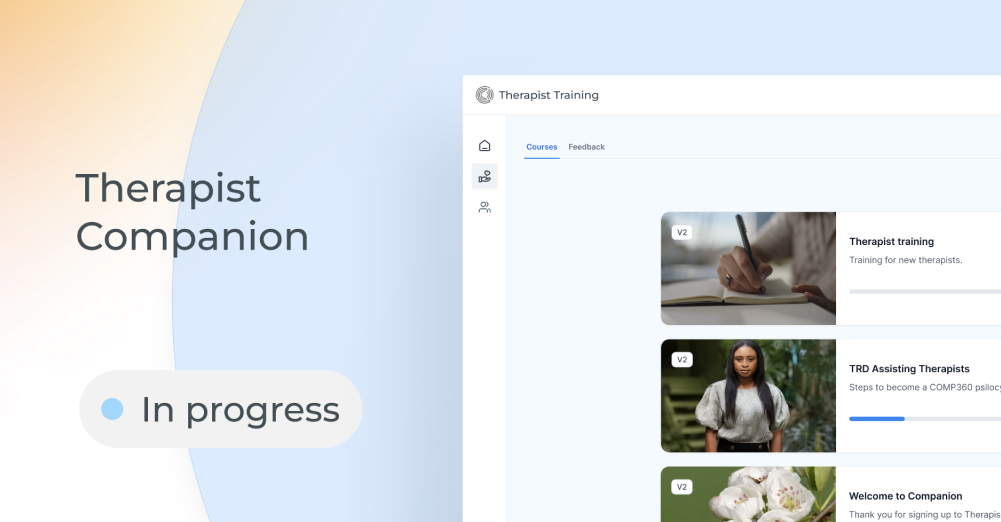
Project Summary
Overview
Compass Pathways relies on digital tools, including an e-learning experience, to prepare therapists for delivering COMP360 psilocybin sessions. Early feedback suggested that confusion inside Therapist Companion stemmed from the training module itself, which made improving the e-learning experience seem like the obvious next step. But once we interviewed therapists and mapped how they prepared across tools, a different story surfaced: the training wasn’t the core issue. Therapists were struggling with a fragmented ecosystem of disconnected systems that didn’t work together. This shifted our focus from “redesign the e-learning experience” to “understand and unify the full therapist workflow.”
The Problem
Therapists relied on e-learning to prepare for sessions, but the challenge wasn’t the training content, it was everything surrounding it. To get ready for COMP360 sessions, therapists had to move across multiple tools for training, preparation, assessments, documentation, and compliance. None of these systems shared a consistent framework or workflow, which created confusion, cognitive overload, and frequent uncertainty about where to find the right information. This fragmentation increased the risk of inconsistent preparation, potentially impacting clinical safety and therapist readiness.
The Challenge
Improving the training module alone wouldn’t solve the deeper problem. Therapists were preparing through an e-learning experience that lived inside a broader network of legacy applications, each with its own patterns, ownership, and regulatory constraints. The ecosystem wasn’t designed to function as a single workflow, yet therapists needed it to feel seamless and coherent. The challenge was to bring clarity and structure to a multi-tool, siloed system without the ability to consolidate or rebuild everything at once, and to design a connected experience that supported therapists end-to-end.
My Role
I led the discovery track, defined the problem space, mapped cross-system journeys, synthesized therapist insights, facilitated alignment with clinical and product leadership, and reframed the product direction from “fix the training module” to “solve the fragmented therapist workflow"
Research
Therpist Interviews
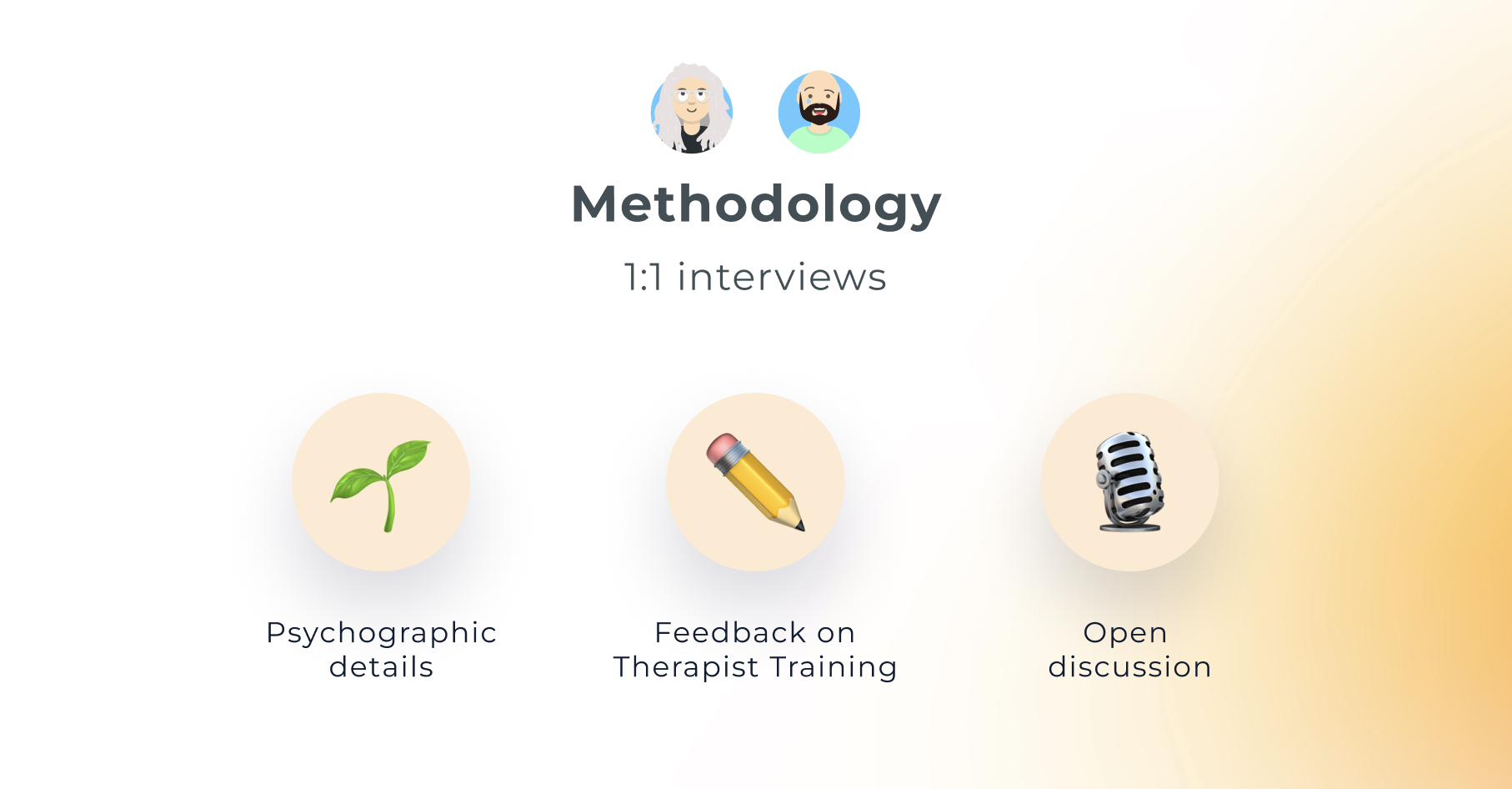
To understand the challenges therapists were facing with our training tools, we conducted one-on-one interviews with lead therapists actively using the platform. Customer Service had flagged recurring issues, not only with completing training, but also with creating courses and monitoring therapist progress, so our interviews focused on uncovering where friction occurred in their real workflows. These sessions helped us see how therapists prepared, what slowed them down, and what they needed from a training system that supported their clinical responsibilities.
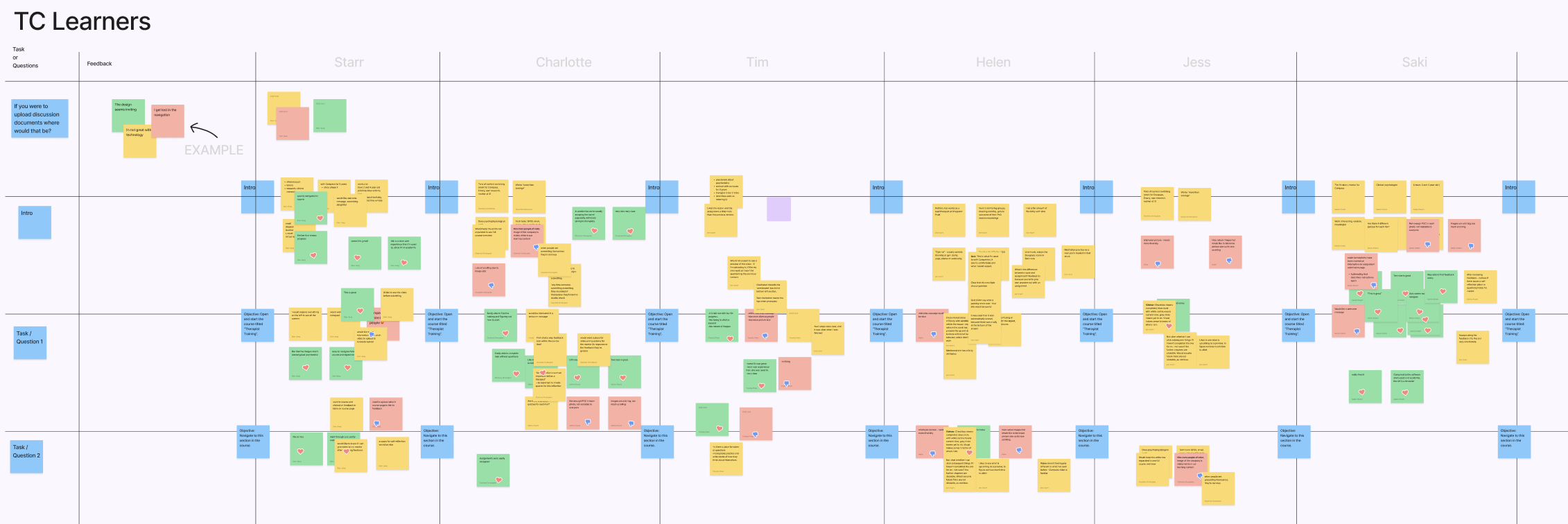
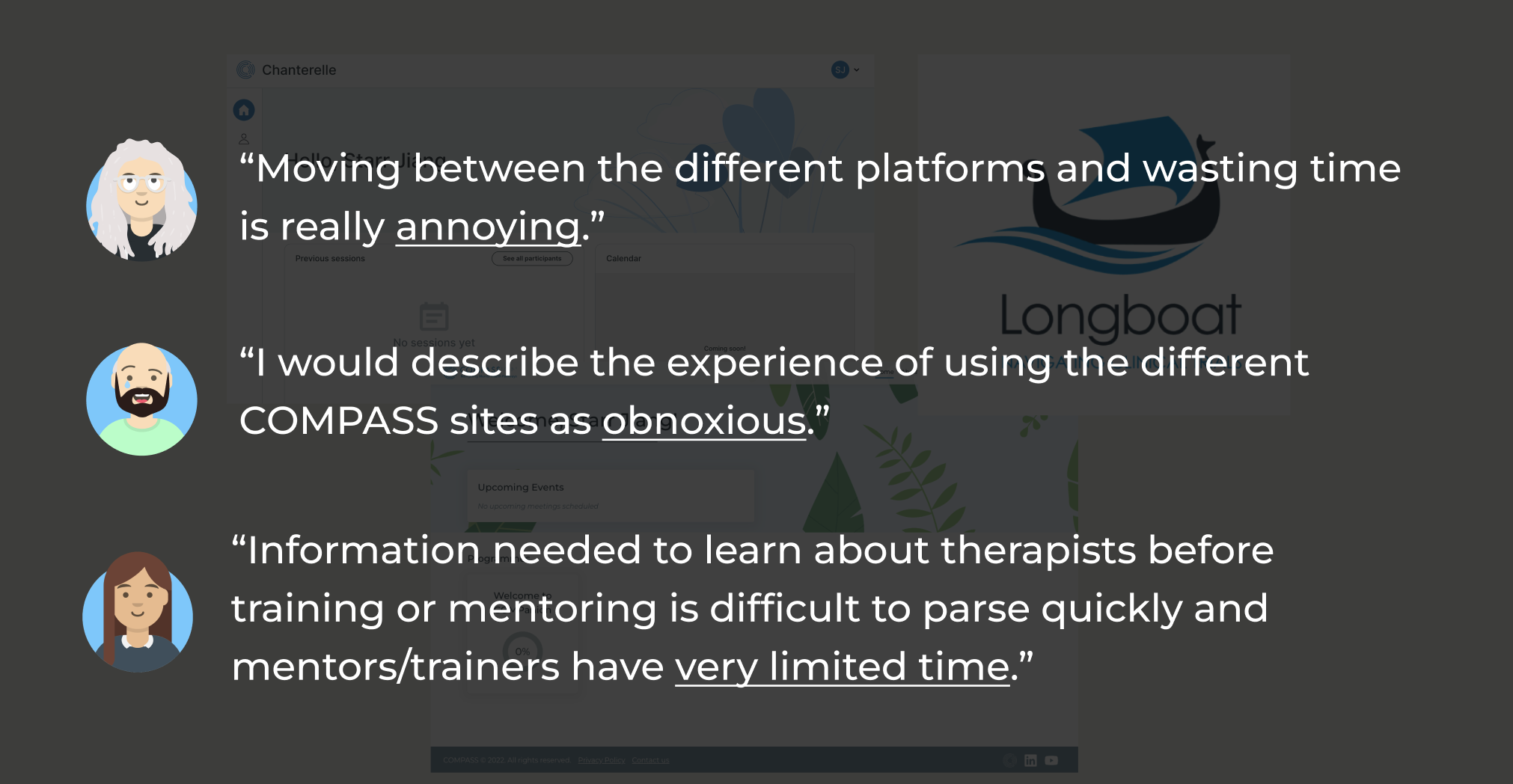
Across interviews, a consistent pattern emerged: therapists were losing time and confidence because their work was spread across too many disconnected Compass platforms. They struggled to quickly understand their mentees’ progress, found it hard to locate key information before mentor meetings, and felt frustrated by the amount of scrolling and switching required to complete simple tasks.
Discovery
The Audience
Ahead of our on-site workshop, we created a set of lightweight personas to capture the distinct behaviors, motivations, and pain points we uncovered in our interviews. These personas helped ground the team in who we were designing for—retired therapists returning as mentors, active lead therapists managing busy caseloads, and trainers responsible for guiding new practitioners. By bringing these voices into the room, we ensured that our on-site discussions were anchored in real user needs rather than assumptions.
Personas
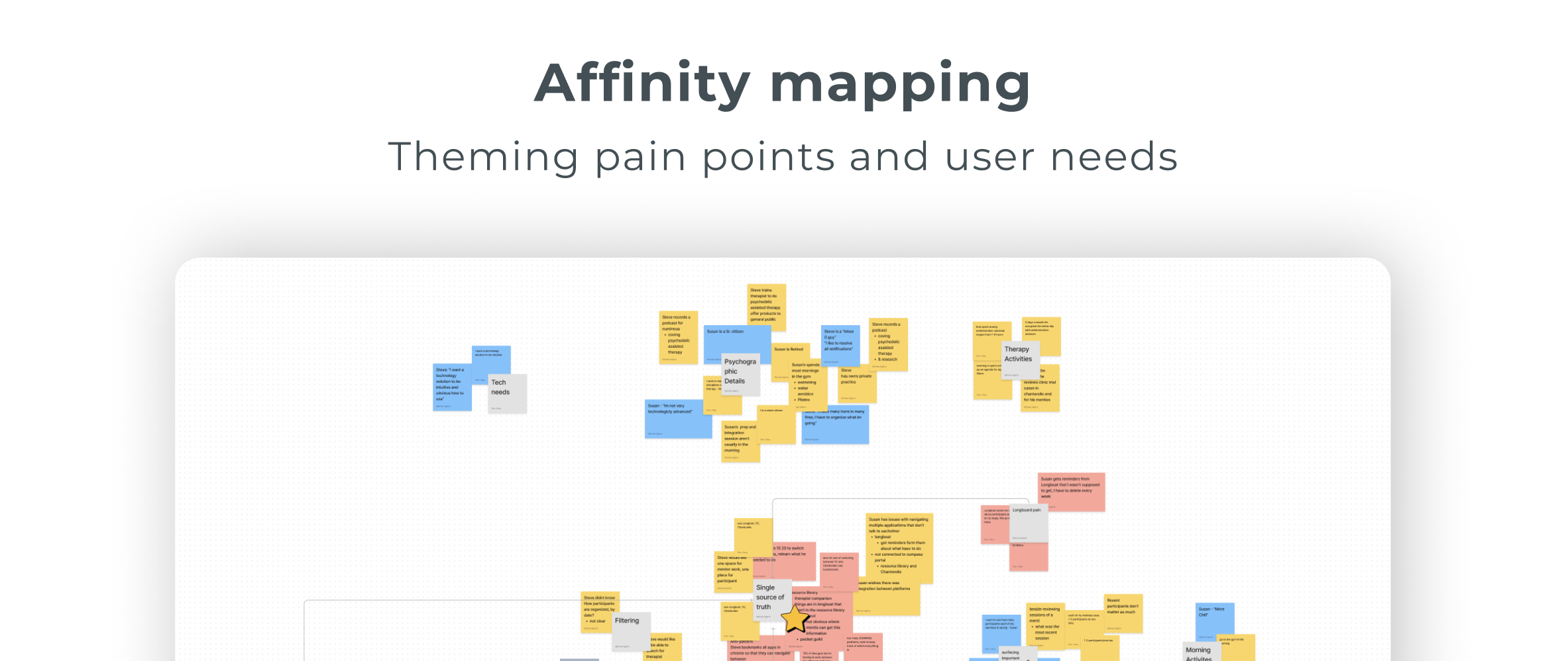
Therapists wanted a clear, streamlined way to prepare for COMP360 sessions. They needed training and preparation tools that reduced switching between platforms, made key information easy to find, and provided a predictable workflow. Their core goal was to feel confident, supported, and ready—both in completing their own training and in understanding what remained ahead of them.
Therapist Mentors and trainers needed quick visibility into each therapist’s progress and readiness. They wanted a simple way to review course completion, identify gaps, and gather the context required before mentorship meetingsall without digging through multiple systems. Their primary goal was to effectively guide therapists while upholding Compass’ standards for consistency and clinical quality.
Maria
I want to feel grounded, knowledgeable, and emotionally ready before facilitating a highly sensitive therapeutic experience. "
Deboarh
I want less tool navigation and more time for meaningful mentorship. "
Sarah
I want to avoid digging through multiple tools to find client history, session details, or required preparation materials.
David
I want quick visibility into what their therapists have completed, where they may be struggling, and what to focus on during mentoring.
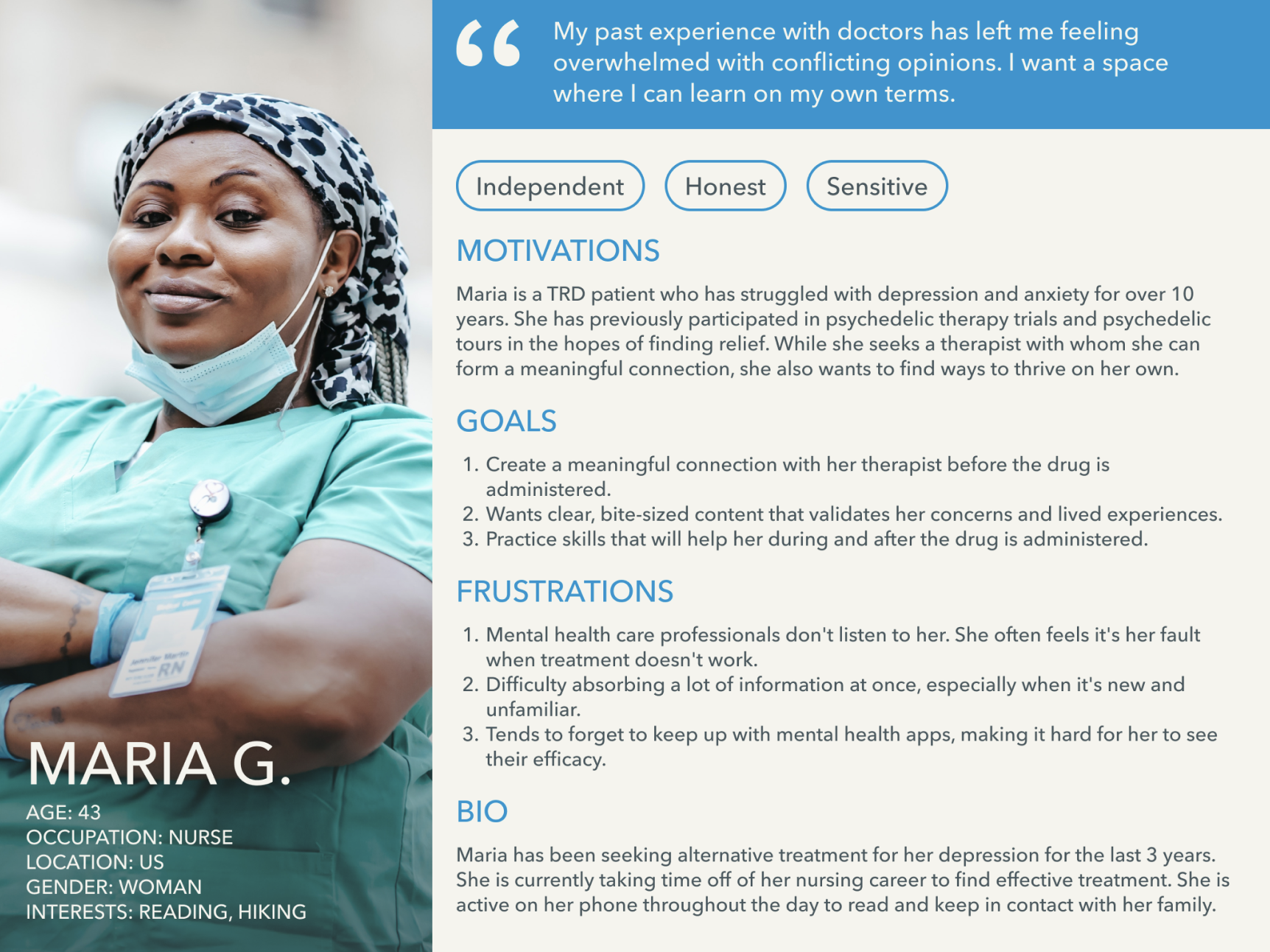
Day 1 Working Session- Understanding the Problem
Through expert interviews, user research review, and a full-group “How Might We” synthesis, the team gained a shared understanding of the root problem: therapists were losing time, confidence, and momentum navigating a fragmented suite of tools. As we organized and voted on our HMWs, the strongest themes consistently pointed toward the same needs—centralized information, fewer context switches, and a more coherent workflow.
By the end of Day One, the outcome was clear: our biggest opportunity was to consolidate services and create a single, streamlined home for therapist activity. This alignment gave us a focused, user-anchored direction that shaped all ideation and design work moving into Day Two and Three.
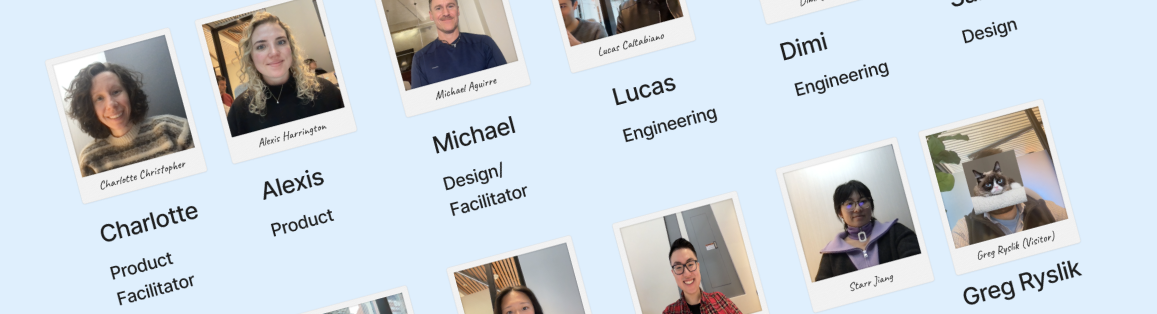
Compass Head of Technology
"Our digital tools will soon support many more therapists, and the upcoming trial is an opportunity to raise the bar on how well we serve them.”
Head of Product
"We need meaningful improvements in place within the next two quarters. This work must directly support the next phase of the clinical trial.”
Lead Web Engineer
"Our tech stack is fragmented. We’ll need to work within existing constraints while laying the groundwork for a more unified system.”
Head of Therapist Support
"Therapists are struggling with multiple logins, constant switching between apps, and getting logged out mid-task. This is the pain we hear every day.”
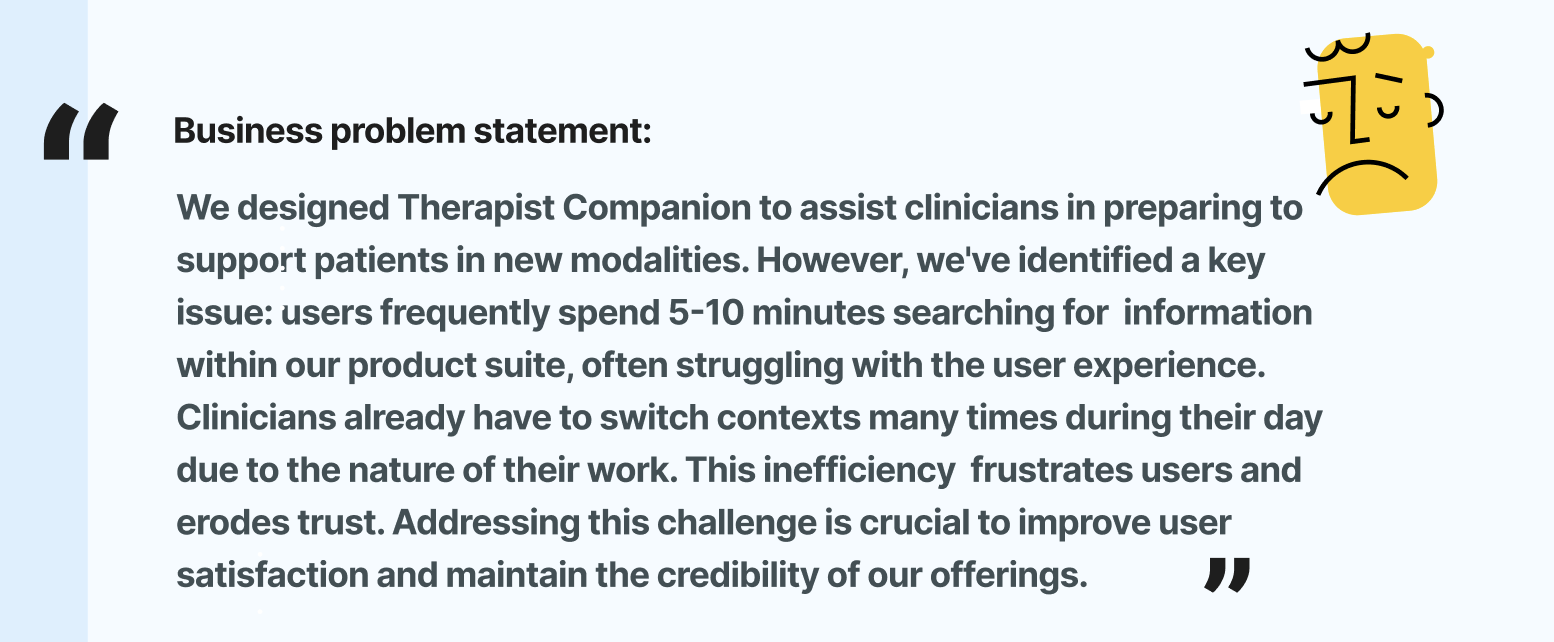
These insights helped keep us focused and aligned throughout the rest of the workshop. Next we discussed How We Might Overcome these obstacles and have a shared understanding of goals and needs of our users while keeping these insights in mind
Day 2 - Aligning on the Future Experience
On Day Two, we translated our Day One insights into concrete possibilities. We mapped the current ecosystem, looked at inspirational patterns from other products, and sketched multiple versions of what a unified Compass experience could look like. These activities helped the team quickly explore a broad range of ideas without getting stuck in constraints.
The outcome was clear: across sketches, demos, and discussions, the strongest themes pointed toward a centralized platform—one place where therapists, mentors, and admins could access key tasks, switch between tools, and manage their accounts without constant context switching. We identified foundational elements this platform would need, including global navigation, shared account management, centralized resources, and clearer pathways through training and preparation.
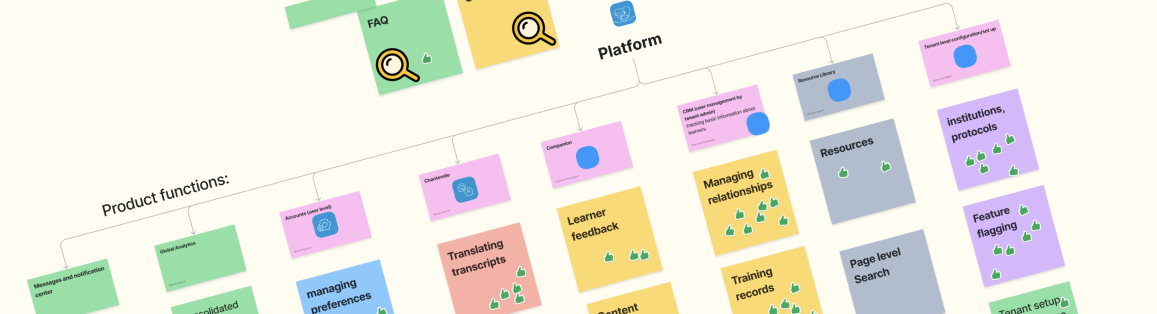
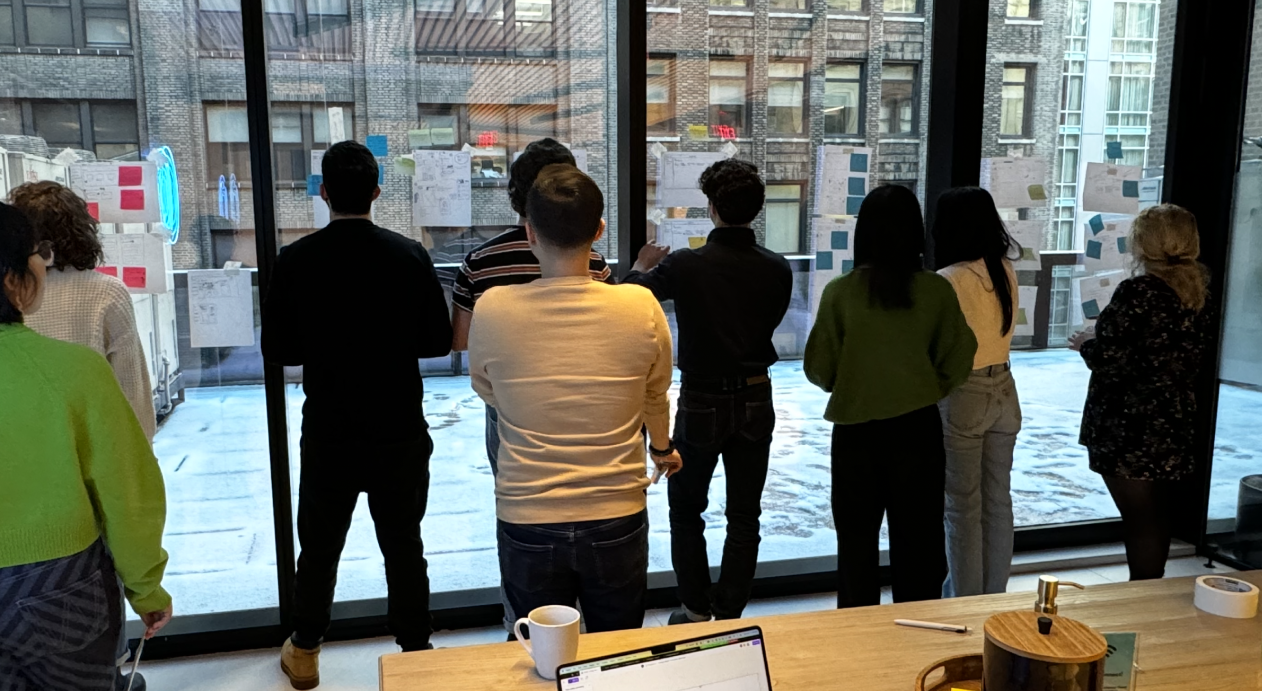
By the end of Day Two, we had a shared vision of what a more unified Compass experience could look like. Through mapping, demos, and sketching, the team converged on key patterns—centralized navigation, clearer workflows, and a single home for core tasks. We closed the day with a focused set of concepts ready for refinement and decision-making on Day Three.
Day 3 - From Possibilities to a Plan
Day Three was where our ideas finally turned into direction. After two days of interviews, mapping, and sketching, the team shifted into shaping the future. We walked through user-story brainstorming to anchor our decisions in real therapist and admin needs, then layered in technical realities and clinical timelines to understand what was actually possible.
From there, we moved into release planning—looking ahead across the next three quarters of the program and shaping a roadmap that felt realistic, strategic, and supportive of the upcoming trial. What had started as scattered concepts began to click together into a clear sequence of priorities
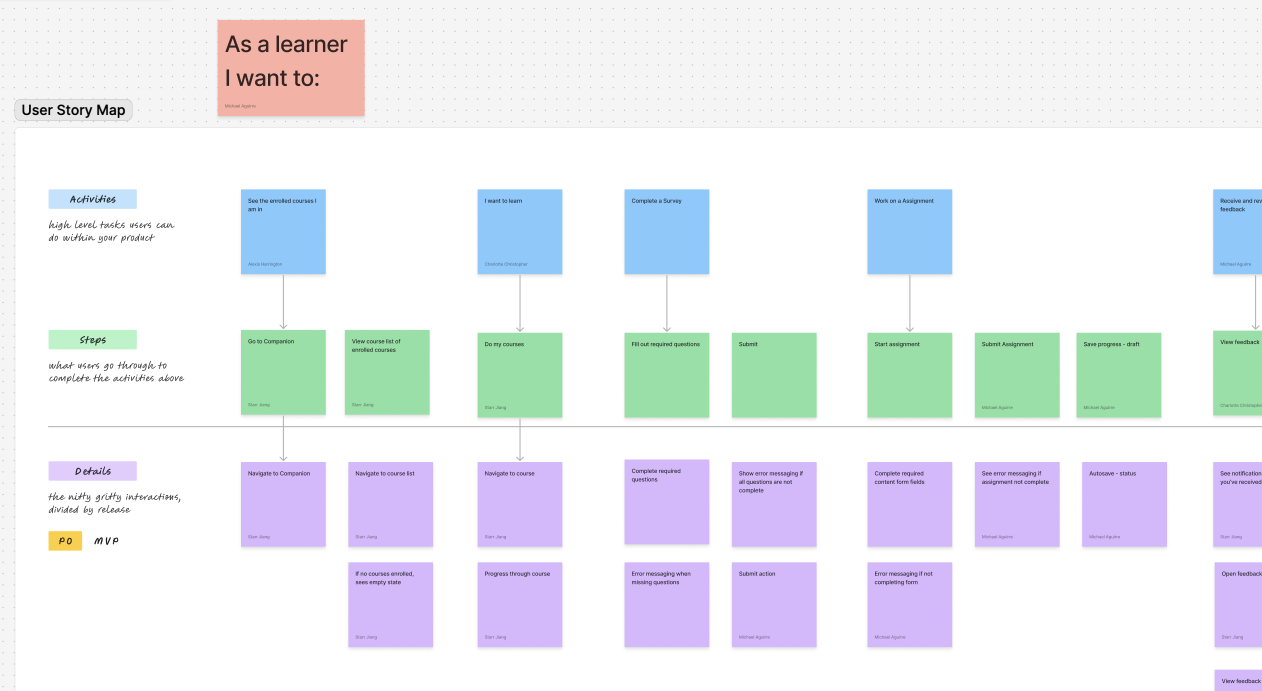
By the end of the day, we weren’t just aligned—we had a shared narrative for where we were headed and a confident plan for how to get there!
Design and Delivery
Conclusion - Moving From Discovery Into Iterative Design
With a shared vision, clear priorities, and a roadmap aligned to the next three quarters of the clinical program, our next step is moving into an iterative design spike. Rather than shifting into a traditional waterfall handoff, we’ll be working in unison with the Agile Product Release Train, designing and testing minimum marketable features just in time for engineering to build.
This phase requires tight collaboration between designers, engineers, and product leads, operating in an agile rhythm where ideas are validated early, refined quickly, and delivered incrementally. The goal is to stay adaptive, avoid long approval cycles, and ensure each design decision directly supports therapists, mentors, and the constraints of the clinical trial timeline.
( I’ll be adding the outcomes of this next phase to the case study shortly, including the prototypes, user feedback, and the solutions we aligned on for development. )